
Happy Diwali, and may thе glow of this fеstival continuе to light up our livеs throughout thе yеar. May thе radiant light of Diwali illuminatе your path, dispеlling darknеss and bringing joy, prospеrity, and lovе into your lifе. Lеt this fеstival of lights rеmind us to bе thе light in thе livеs of othеrs as wеll.
October 29, 2024 began the five-day festival of Diwali, the festival of lights.
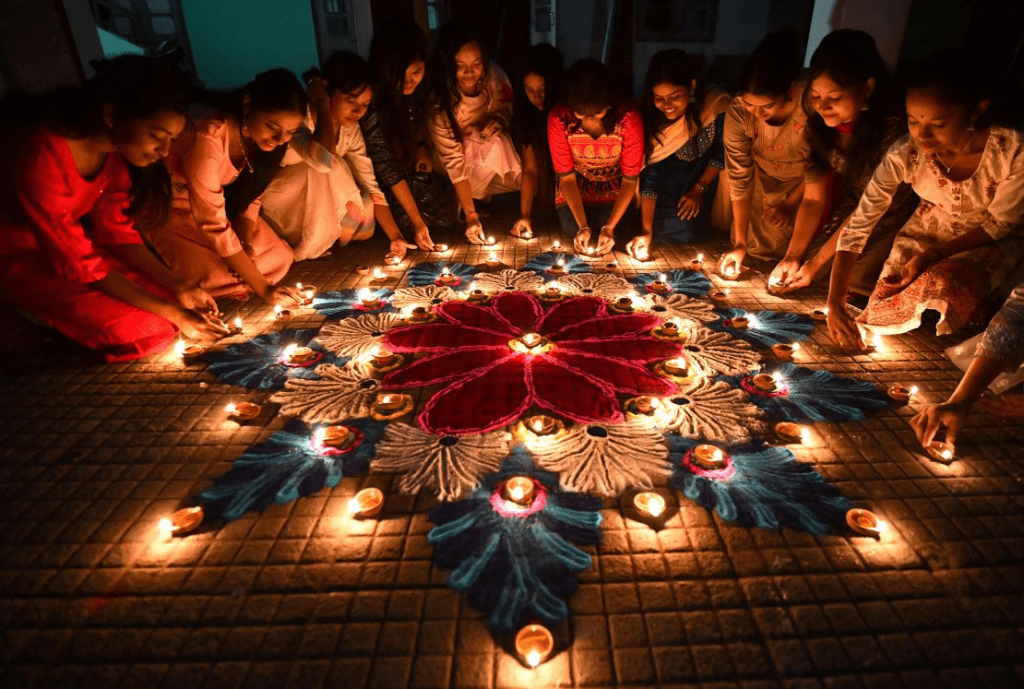
The date changes every year according to the Hindu lunisolar calendar.
“It symbolises the spiritual victory of Dharma over Adharma, light over darkness, good over evil, and knowledge over ignorance.”
“Primarily a Hindu festival, variations of Diwali are also celebrated by adherents of other faiths. The Jains observe their own Diwali which marks the final liberation of Mahavira. The Sikhs celebrate Bandi Chhor Divas to mark the release of Guru Hargobind from a Mughal prison. Newar Buddhists, unlike other Buddhists, celebrate Diwali by worshipping Lakshmi, while the Hindus of Eastern India and Bangladesh generally celebrate Diwali by worshipping the goddess Kali.”
Diwali has an exciting history going back about 2,500 years. I won’t get into its extensive history, but I highly recommed you look at the quick read on the History Channel’s website.
The five days of Diwali…
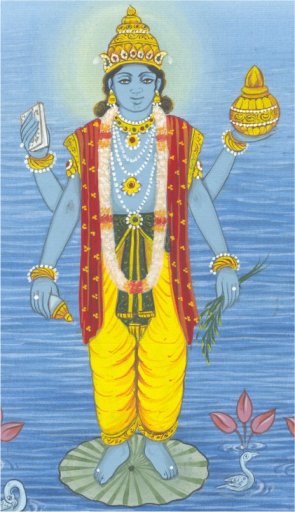

To learn more about health and wealth (who wouldn’t?) and Dhanteras visit The Times of India.
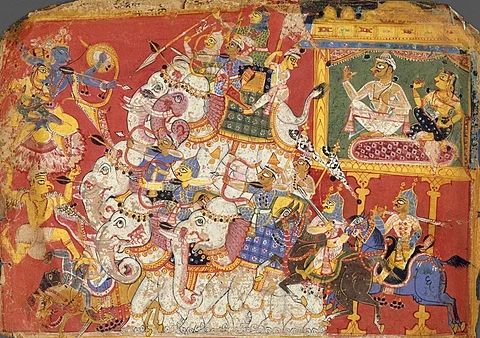
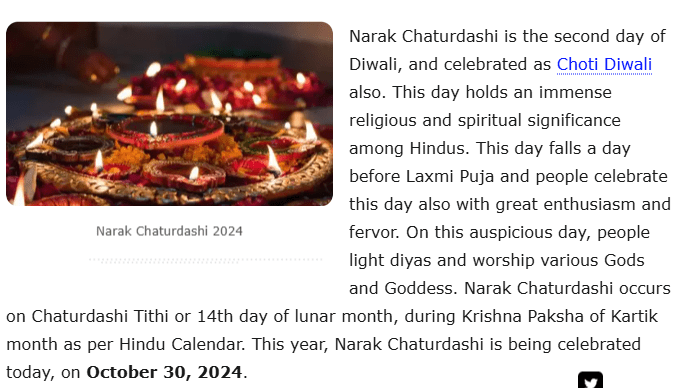
Naraka Chaturdashi (Day 2)

Lakshmi Pujan (Day 3)
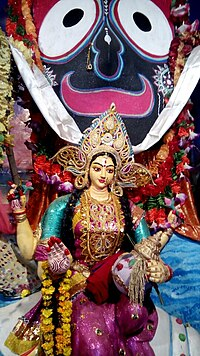

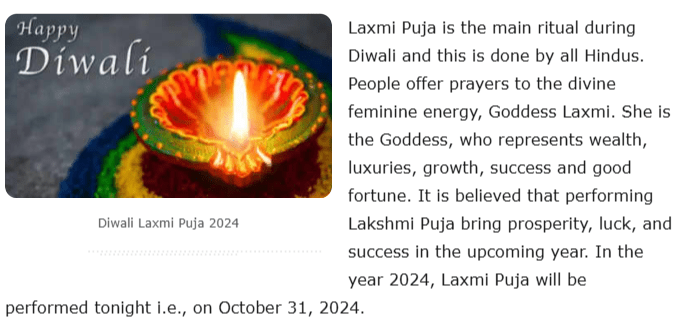
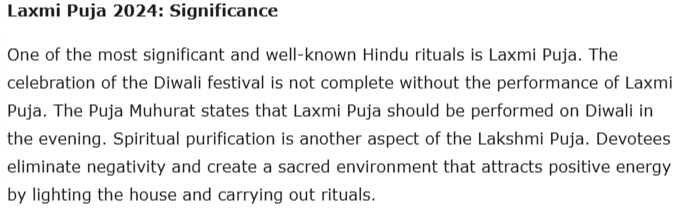
To learn more about Laxmi Puja and what you must do to complete the rituals and create positive energy, which we all need, and anyone of any religion or spirituality can do, I recommend this article in The Times of India.
Balipratipada (Day 4)
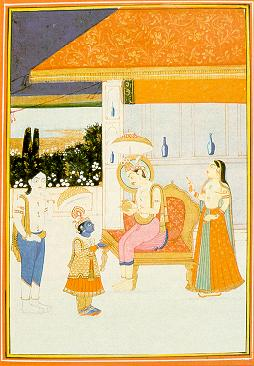
Bhai Dooj (Day 5)
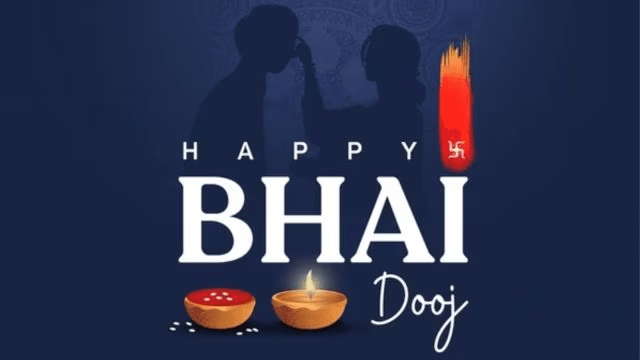
Bhai Dooj is a significant festival in India, much like Raksha Bandhan. It is celebrated with great enthusiasm across the country. It is also known as Bhai Phota, Bhau Beej, Bhai Bij, Bhai Beej, Bhatru Dwitiya, Bhav Bij, Bhatri Ditya, Bhai Fota, and Bhai Tikka.
Marked by the special bond shared between a brother and sister, on the day of Bhai Dooj, sisters apply tilak on the foreheads of their brothers and pray for their prosperity and longevity.
Falling on the 3rd of November which is Sunday, this year Bhai Dooj will be observed on the second lunar day of Shukla Paksha, according to the Vikram Samvat calendar.
To Learn more about Bhai Dooj, visit The Indian Express.
Chanting to the different Gods is an important part of Diwala, here is a peaceful video of those chants.
They use two words repeatedly “om” and “namaha.”
“The Om mantra is the most sacred mantra in both Hinduism and Buddhism. In addition, Om is also said to be the primordial sound of the Universe. The Om mantra is the most elemental of vibrations and is considered the sound of the void.”
“Namaha can be affixed to Hindu prayers or Sanskrit mantras as a means of expressing total dedication of oneself towards the Divine or to whomever the salutation is offered. As such, it is an expression of humility and a means of submitting to a higher power, reflecting the notion that one’s life is in the hands of the universe.”
A Prayer for Diwali
Om Jai Lakshmi
Goddess born from the struggle between good and evil
Guide us toward the light.
In a world where plenty is possible,
Let us end hunger, thirst and homelessness.
In your nurturing hands,
Let us seek refuge from want, fear and violence.
With your grace,
Let our world be reborn in your image,
Where all needs are met,
Where morality and love are abundant,
And whereby we are free.
Om Jai Lakshmi.
Om Shanti, Shanti, Shanti.
*All of my resources came from Wikipedia, The Times of India, and The Indian Express. There are not necessarily quotations about what is not my work, I apologize for that, but it should be clear what I added and what is from a resource. If there is a link within a paragraph or sentence, it means that is where that direct bit of writing came from. I apologize for any confusion this causes and any concerns of the very high offense of plagiarism.


Leave a Reply